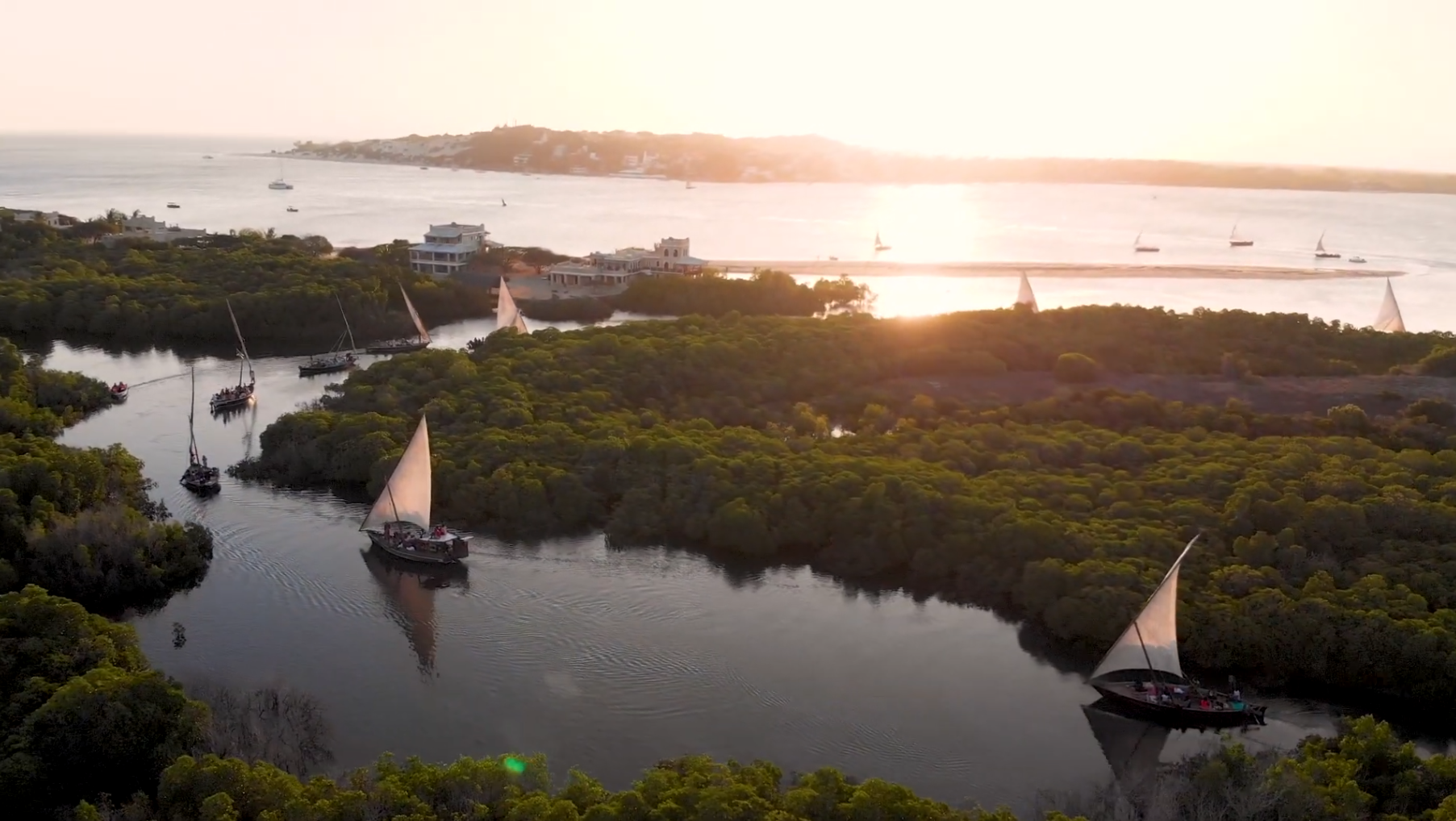
Lamu County is the second in terms of forest cover and leads nationwide in mangroves, covering approximately 37,350 hectares, which is equivalent to 61% of the total mangroves in Kenya. Over a decade, mega projects in Lamu have led to the destruction of mangroves in Lamu, leading to the destruction of our indigenous medicinal trees. These indigenous trees have been the identity of Lamu for many generations, which speaks volumes in different aspects of Lamu.
Save Lamu, an environmental organisation, has walked the journey of rehabilitating and restoring mangrove degraded areas for over a decade now, promoting sustainable use and raising awareness of the important role mangroves play in sustaining life along the Lamu coastline, these efforts have helped protect the environment and livelihoods for communities depending on the mangrove forests in Lamu. The LAPSSET project destroyed thousands of mangrove species in Lamu, paving the way for the mega project, launched in 2012 by the then President of the Republic of Kenya, Mwai Kibaki, President Salva Kiir of South Sudan and the late Ethiopian Prime Minister Meles Zenawi.
The newly launched booklet captures the diverse mangrove species found in Lamu, their Swahili indigenous names, environmental and health benefits, and the cultural ties that connect people to these forests. It also explains the threats facing mangroves from overharvesting to climate change, and outlines the urgent need for their protection for both ecological balance and future prosperity
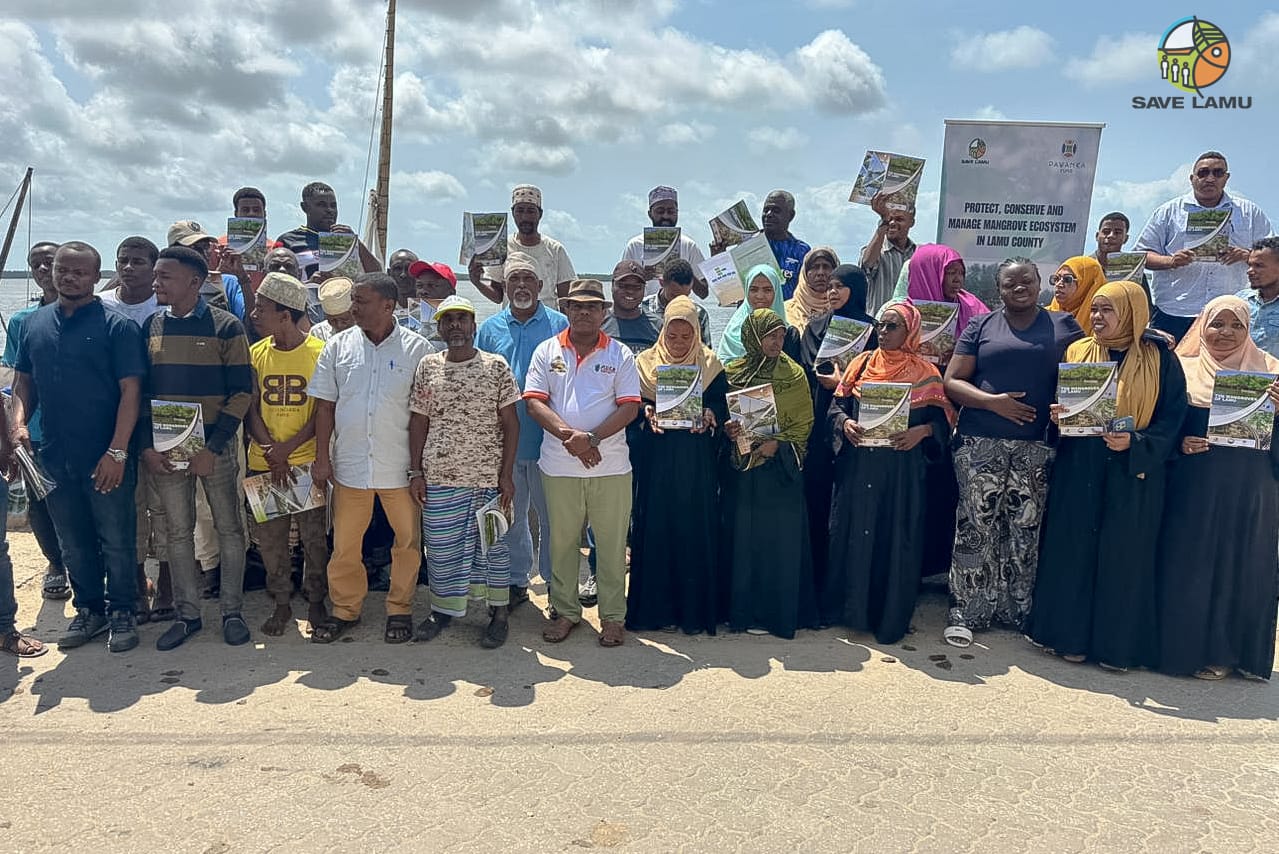
“We must protect our natural resources for the young upcoming generations” said Khadija Abdillah during the historic launch of the book “The Mangroves of Lamu”, Save Lamu is best known for its stand on preserving the environment and protecting the natural resources found in Lamu, “today the 12th of August 2025 we mark the historic milestone as we launch the book, which captures the mangroves found in Lamu and their benefits.
For the people of Lamu, mangroves mean life. They provide wood, medicine, and support for small-scale fish farming that sustains thousands of families. Protecting these ecosystems is therefore not just about conserving biodiversity; it is about safeguarding culture, livelihoods, and resilience for generations to come. Lamu’s mangroves are a reminder that people and nature thrive best together.
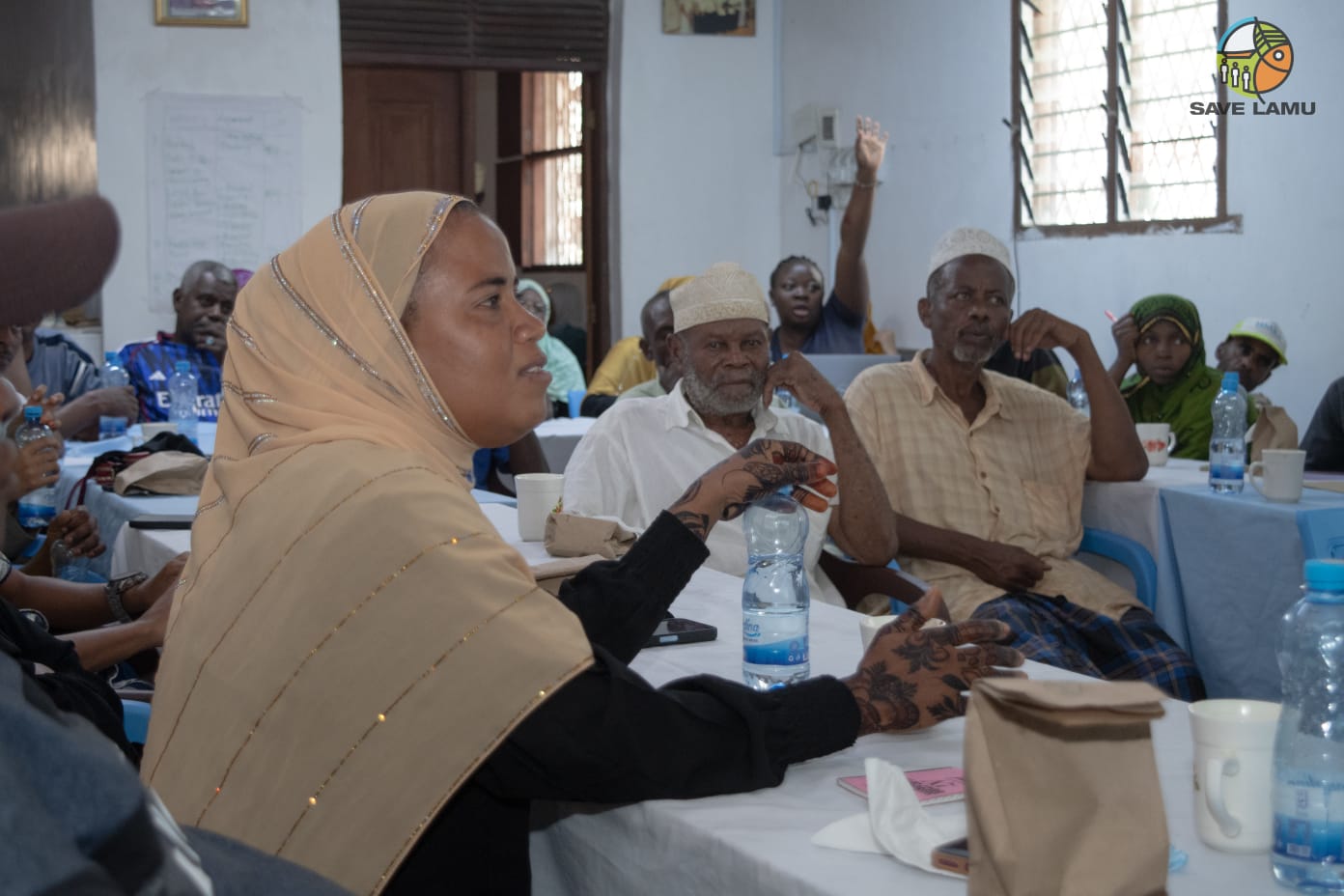
“We have always spoken about our mangroves and their importance, but we never had a book to show. This publication not only highlights the different species and their uses, but also explains the threats they face and why they must be protected.” Said Zulfa Hassan, a mangrove enthusiast from Mtangawanda, during the launch.
Famau Shukri, a marine conservationist in Lamu, gave his sentiment, highlighting the ecological importance of protecting and preserving mangroves in our region. “Mangroves play a big role in preventing soil erosion, supporting biodiversity, and sustaining fishing. Without mangroves, both our biodiversity and the sea will be at great risk.”
Henry Komu, a researcher from the Kenya Forest Research Institute (KEFRI), strongly emphasised the importance of protecting mangroves and the booklet’s educational value
“I am very happy about this launch, which educates the community on Lamu’s mangroves. This is an important resource because not many people understand the true value of mangroves. The book gives a clear picture, from their local names, legal protection and uses, to their importance and benefits. It will help communities better understand mangroves and the role they play in our environment for generations to come.”
Fatma Bwanamzee, a mangrove restoration champion from Matondoni village, reflected on the publication’s intergenerational significance
“This book will bring great benefits. The conservation of mangroves is important for us and for the generations to come. When young people see a book like this, they will be inspired to continue protecting mangroves. We must avoid overharvesting and instead use them sustainably.”
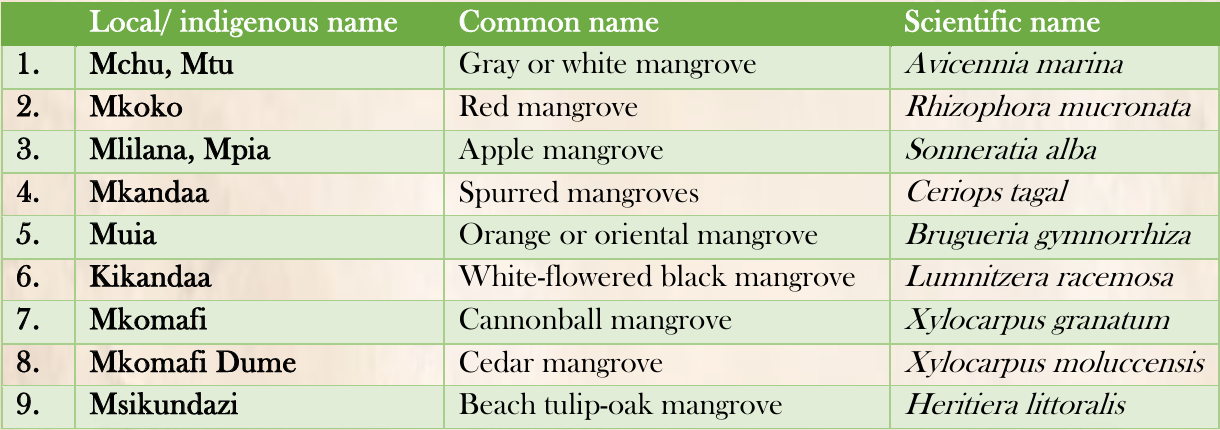
Types of Mangroves found in Lamu, stating the Indigenous, common and scientific names
For more information kindly click the link below https://drive.google.com/file/d/1ZGqZDyKc1oJayF7CghEHkJb3QjvAYTw-/view?usp=drive_link
Story| Khadija Juma/ Mohamed Okeil
Photo| Save Lamu/ Mohamed Okeil